How to Leverage B2B Storytelling for Tech Product Launch

Most B2B tech launches fail for a simple reason.
Buyers don't care.
You see, they don't remember what you built, only what it means...
In crowded categories, features blur together. Specs get skimmed. And “innovative solution” sounds like everyone else.
Storytelling is how you turn a complex product into a clear point of view, and a launch people actually care about.
This guide shows how to use storytelling to launch a B2B technology product or service: how to frame your buyer’s problem, build a narrative that earns attention, and make your product feel less like a tool and more like the obvious next step.
We’ll also break down real examples (Apple, IBM, Salesforce, Trend Micro) and give you a practical framework you can apply to your next launch.
Why Storytelling Wins in B2B Tech Launches
Storytelling Makes Complex Tech Easy to Choose
Your buyer isn’t asking “what does it do?”. They’re asking “is this the right move for me?”
Story turns complexity into clarity by framing the problem, the stakes, and the outcome.
Impact: faster understanding, less friction in evaluation
Storytelling Creates Differentiation When Features Don’t
In most tech categories, competitors ship similar features within months.
A narrative... your point of view, your mission, your enemy, your promise... this can’t be copied as easily.
Impact: stronger positioning, higher preference
Storytelling Builds Trust Before the Demo
Buyers don’t trust claims; they trust patterns.
Stories show real context, real stakes, real humans, so your product feels credible before anyone clicks “Book a call.”
Impact: warmer leads, higher conversion rates
Storytelling Turns a Launch Into a Moment
A launch should feel like a moment, not a product update.
Good storytelling creates anticipation and emotional momentum, so your audience leans in instead of scrolling past.
Impact: higher attention, better launch reach
Storytelling Gives Sales Better Ammunition
A great narrative becomes repeatable: in sales decks, demos, outbound messages, ads, and onboarding.
It arms internal teams with language that’s consistent and persuasive.
Impact: faster sales enablement, consistent messaging
If your launch message currently reads like a feature list, you’re not alone.
A short narrative workshop is usually enough to clarify the story and the hook.
Real-world examples of inspiring tech storytelling.
Apple: iPhone 15 launch
At the forefront of mastering the art of technology brand storytelling is Apple, a company that consistently turns product launches into memorable experiences.
Take the iPhone 15 launch, for instance, where Apple deviated from the conventional script.
The company began the event with a four-minute film titled "Another Birthday."
This cinematic narrative featured eight individuals, each with a unique story, including a mother and her unborn daughter. The film poignantly showcased how these individuals celebrated another birthday because their lives were saved by a specific feature on an Apple device.
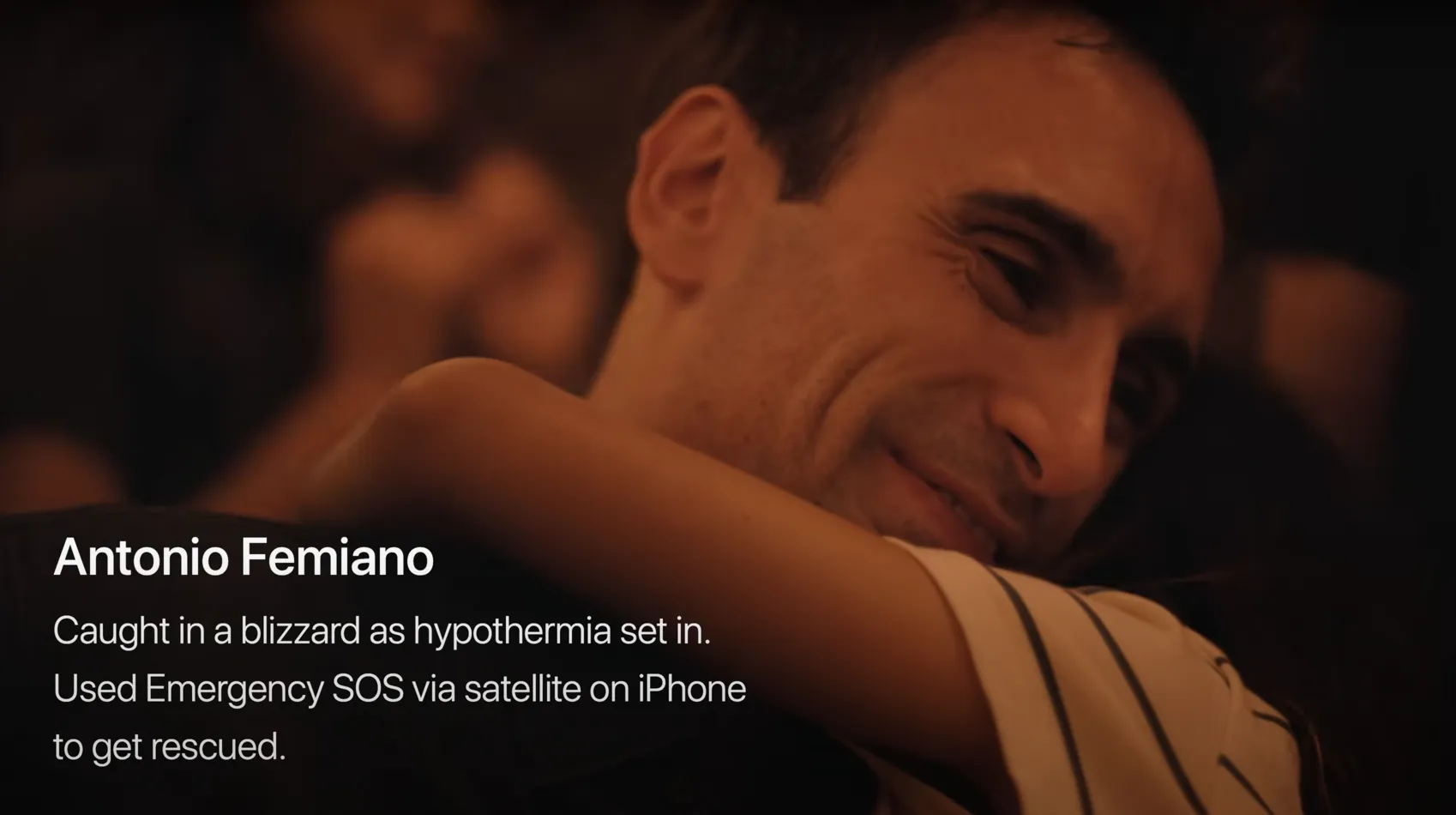
By intertwining technology with human emotion, Apple not only showcased the capabilities of its product but also demonstrated its real-world impact on people's lives.
This emotionally charged storytelling not only engaged the audience but left a lasting impression, making the iPhone 15 more than a device; it became a symbol of life-changing possibilities.
This example underscores the power of storytelling in transforming a product launch from a mere announcement into a shared experience that resonates with the audience on a deeper level.

TrendMicro - Xgen series (One of Black Rabbit's specials)
Trend Micro was launching its next-generation cybersecurity platform, XGen, and wanted something bold to grab attention at the world’s biggest cybersecurity events.
We wrote a six-minute film inspired by the tone of classic space epics...
A mysterious anomaly appears on sensors. The crew investigates.
Unknown signals infiltrate the ship’s network, moving laterally through the systems. The intrusion-prevention system responds. Firewalls engage.
Every beat of the story reflected how Trend Micro’s technology actually works, only dramatized through phasers, shields, and quantum data streams.
It was strategic storytelling disguised as adventure.
Check out the full case study of the Space Opera for RSA.
IBM's "Smarter Planet" Campaign
IBM's "Smarter Planet" campaign is a stellar example of how a technology giant leveraged storytelling to convey a broader vision for the future.
Instead of focusing solely on product features, IBM crafted a narrative that envisioned a world transformed by technology, where interconnected systems and intelligent solutions create a more efficient and sustainable planet.
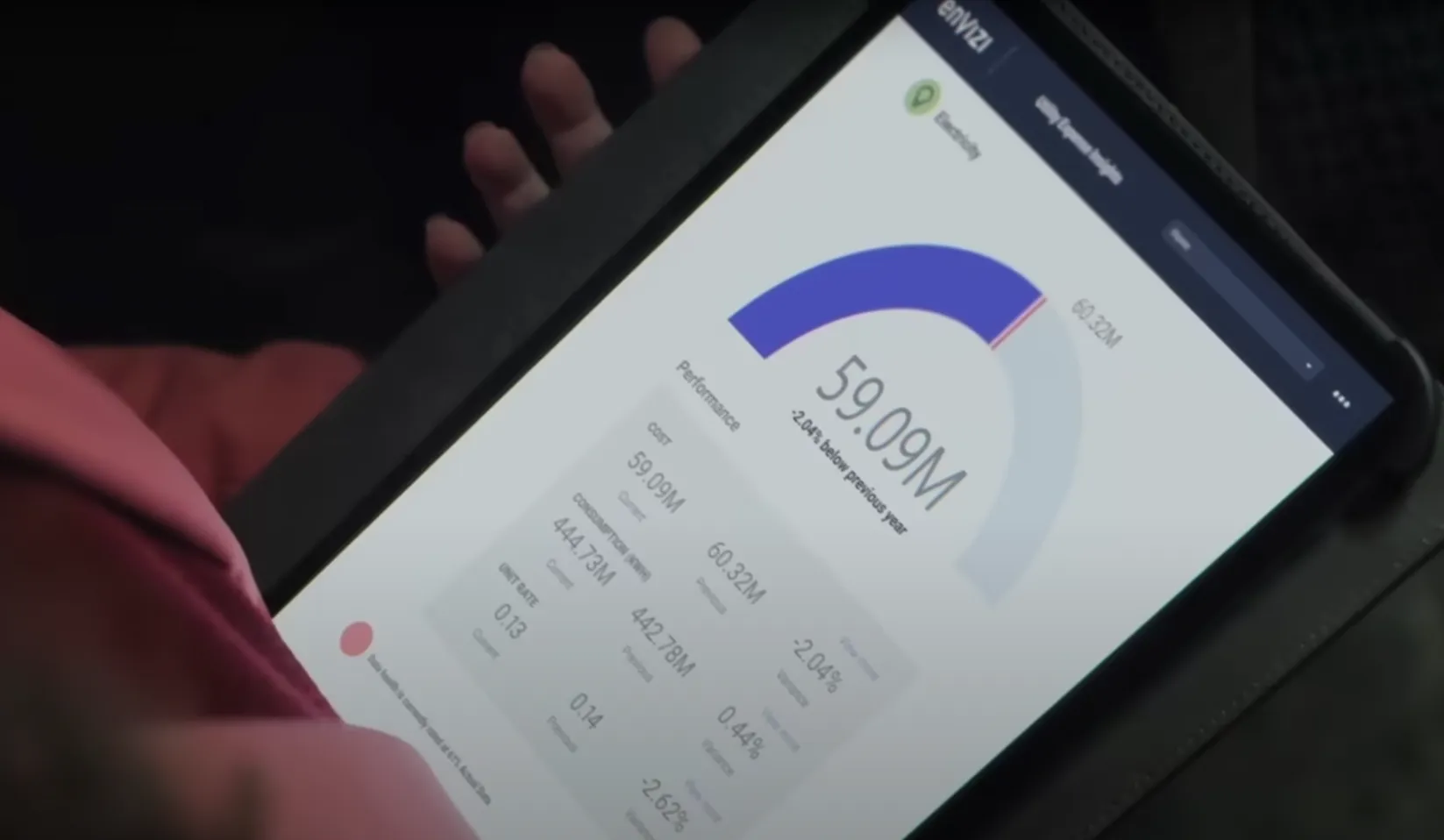
The storytelling in the "Smarter Planet" digital marketing campaign centered around real-world challenges and how IBM's technologies could address them.
Through a series of narratives, IBM illustrated how their innovations could enhance cities, industries, and the environment.
These stories went beyond the typical tech jargon, providing a human-centric approach to complex issues.
By showcasing the positive impact of their solutions, IBM successfully communicated a compelling vision that resonated with both business leaders and the general public.
Checkout a more in-depth article on the campaign.
Salesforce's "Trailblazer" Revolution: Redefining SaaS Buying
Salesforce's "Trailblazer" campaign boldly addresses a significant challenge in the tech industry—the cumbersome process of purchasing Software as a Service (SaaS).
Recognizing the frustrations of endless demo calls and unclear pricing structures, Salesforce positions itself not just as a solution provider but as a catalyst for change.
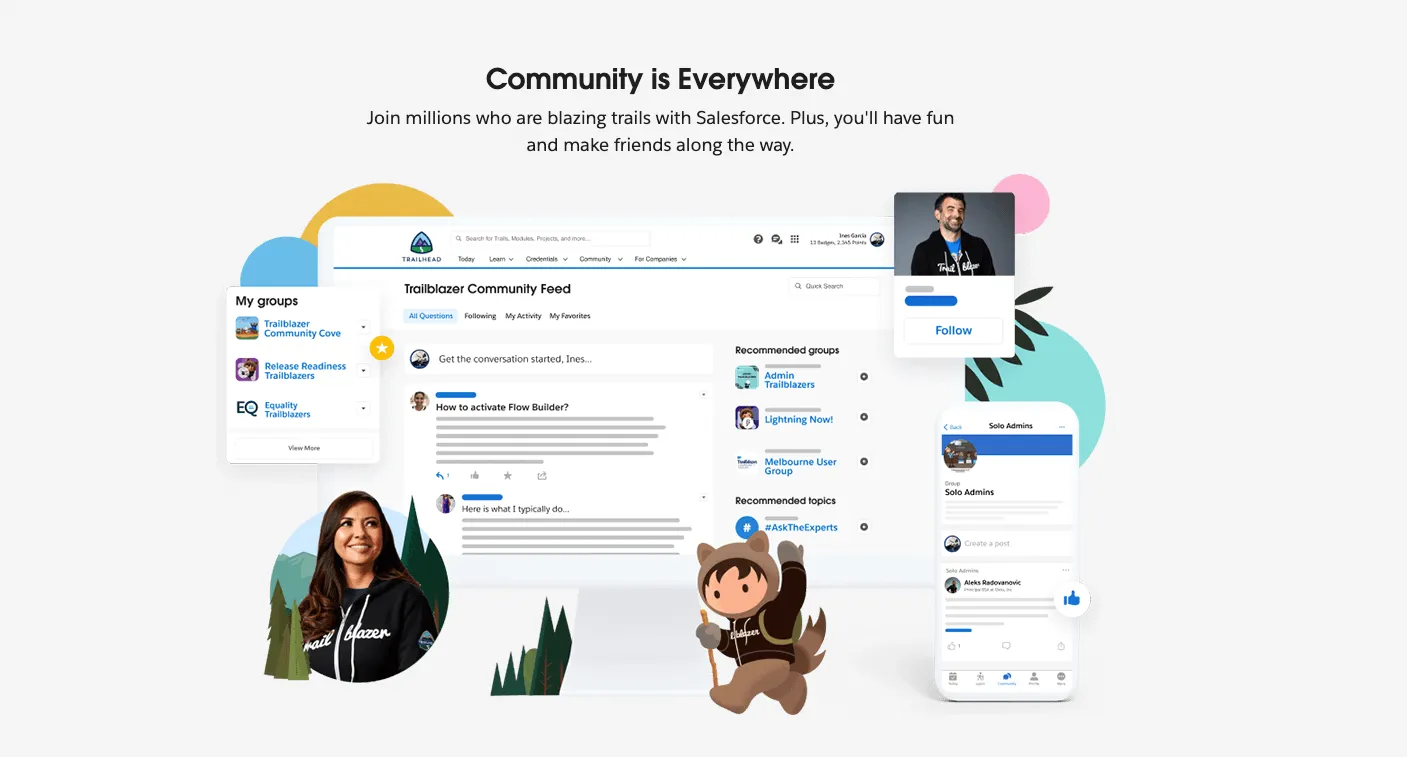
Trailblazing Change:
Leveraging the "Trailblazer" campaign, Salesforce redefines the SaaS buying experience, emphasizing a shift from traditional, cumbersome methods to a streamlined and transparent approach.
The narrative goes beyond product features, aligning with the plight of industry professionals and transforming the campaign into a movement for change.
Impactful Storytelling:
Salesforce's storytelling humanizes the tech purchase by highlighting shared experiences and frustrations. Real stories from individuals and businesses embody the trailblazer spirit, showcasing how Salesforce's platform empowers organizations.
Addressing SaaS buying pain points, the campaign becomes a beacon for a buyer-friendly software acquisition approach.
Shaking Industry Norms:
Beyond promoting a platform, Salesforce's "Trailblazer" campaign challenges industry norms, inviting B2B managers to join a movement advocating for a simpler, more efficient SaaS buying process.
This initiative redefines how businesses acquire and adopt technology, signaling a departure from the conventional norms.
We really appreciate the quality of the cinematic storytelling in this project. Just look at this video:
Want help translating your product into a story buyers actually remember?
We do this for B2B tech teams all the time... positioning first, script second. Let's talk.
Crafting Your Product and Service Narrative
The world of technology is filled with hustle and bustle, crafting a narrative for your product or service is more than a mere task.
It's an art form. Imagine it as sculpting the storyline for a blockbuster movie.
It transcends the technical specifications; and relies heavily on weaving a story that not only captures the attention of B2B managers but engraves your offering into their memory.
Tailoring Tales for Tech
B2B managers, often submerged in a sea of technical intricacies, appreciate narratives that elevate your product beyond a mere solution. Consider your product as a dynamic character venturing into a narrative with real-world challenges.
Your offering transforms into a trusted companion, navigating the epic journey of business success.
This narrative isn't just about features; it's about the symbiotic relationship between your product, the evolving landscape of technology, and the people involved, a journey shared with your audience.
The Dynamic Character Approach
Picture your product as more than lines of code or features. It's a dynamic character with a purpose, a hero embarking on a quest to revolutionize the industry.
Unveil its personality: its quirks, strengths, and how it overcomes challenges.
This humanization creates a narrative that resonates with buyers on a deeper level, forging a more emotional connection beyond the technical.
Remember, it is also easy to overdo this, just as we find characters over-acting in movies at times.
Navigating Real-World Challenges
Your narrative should address real-world challenges that your audience encounters. Whether it's inefficiencies, bottlenecks, or uncharted territories, showcase how your product becomes the trusted guide in overcoming these hurdles.
The tale you spin isn't just about the journey; it's about the transformational impact your product has on the user story and business landscape.
Tech Tales that Turn Heads
Capturing the attention of B2B managers requires a narrative that stands out in the crowded tech landscape. Here's how you can make your tech story not just memorable but also enjoyable:
Unexpected Plot Twists
Every great story has unexpected turns. Introduce plot twists that defy expectations, moments when your team stumbled upon a breakthrough during an unconventional company retreat or the spark of innovation ignited over a casual cup of coffee.
These unexpected twists not only add intrigue but also showcase the spontaneity and creativity embedded in your tech journey.
The Power of Humor
Contrary to popular belief, tech can indeed have a sense of humor.
Humor is the unsung hero of storytelling. Infuse your narrative with levity, turning your tech story into an enjoyable experience. Imagine injecting a dose of wit into your product's journey, making even the most complex technical aspects approachable.
Humor creates a memorable atmosphere, transforming your tech launch story from a lecture to an engaging conversation.
Learning from Customer Insights with Real-World Examples
Harnessing the insights from your tech customers is not just a marketing strategy; it's a cornerstone for a successful launch.
Your tech customers are not mere end-users. They are invaluable wellsprings of feedback and insight.
To extract the wealth of information they hold, employ a multifaceted approach:
Dive into Reviews
Start by delving into customer reviews. Whether on your website, third-party platforms, or social media, these reviews are a gold mine of authentic opinions. Identify recurring themes, both positive and negative, and understand the nuances of your product's impact on users.
Conduct Comprehensive Surveys or experiment
Structured surveys offer a systematic approach to gathering insights beyond standard questions. Delve into the user experience, and inquire about specific features, challenges, and overall satisfaction.
These surveys unveil nuanced perspectives, contributing to a deeper understanding of your product's performance.
Consider prelaunch experiments, like the organic marketing experiment conducted by researchers on social media, to gain valuable insights into your target audience
Direct Conversations for Qualitative Insights
While quantitative data is valuable, qualitative insights from direct conversations are equally crucial.
Engage with your target audience through interviews or focus groups. Uncover the emotional aspect of their experience: the frustrations, the aha moments, and the aspirations tied to your product. This qualitative layer adds depth to your understanding.
Uncover Pain Points and Unique Values
Customer feedback is a treasure trove for discovering your customer's pain points and unique values.
Identify the challenges your product effectively addresses and the distinct features that resonate with users.
These insights form the foundation of narratives that not only empathize with potential customers but also showcase your product's practical impact.
In addition to conventional methods of understanding customers, explore alternative (innovative, creative, and humor-infused) approaches to unearth pain points and gain inspiration for their effective utilization.
Shhhh... the details await below!
!!! Here is a special BlackRabbit Tip !!!
- Explore audience feelings: Go to Google Images and search - "[Topic] + meme (or joke)".
- Be amazed by the humorous memes people create when they have serious pain-points.
- Get Inspired, take a cue, and make your own videos.
Adobe did a great job with it.
Medium Matters: Choosing the Right Platform
Selecting the right platform is akin to choosing the perfect stage for a performance. Let's delve into the significance of various mediums and their unique roles in amplifying your tech narrative.
Visual Impact with Video Content
Choosing the right platform for your video content is a strategic move that can amplify your visual storytelling impact. Each platform has its unique environment, catering to specific audience behaviors.
YouTube, with its vast user base, excels for in-depth tutorials, providing extensive reach.
Meanwhile, platforms like Instagram and TikTok, emphasize short-form videos, and are perfect for capturing quick attention and delivering concise, impactful messages.
LinkedIn, as a professional network, is ideal for business-focused content and thought leadership, but it's also becoming a place for "infotainment".
Aligning your video content with each platform's strengths allows you to create a narrative that resonates with your audience and maximizes visual engagement.
Art of Concise Communication
In a world buzzing with information, brevity is brilliance. Master the art of concise communication in tech storytelling:
Conversational Tech Narratives
Tech narratives don't have to be laden with jargon. Uncover the importance of keeping your tech stories conversational, making them accessible to a broader audience.
One-Sentence Wonders: Value Propositions
Crafting a compelling value proposition is an art. Learning to distill the core benefits of tech products and services into one sentence can leave a lasting impact on your audience.
The Rise of Short-form Video Content
Short-form videos are the new storytellers. Explore the impact of concise video content in conveying complex tech narratives, capturing attention in a world of fleeting glances.
Vital takeaways: how to use storytelling to launch technology product or service
Embrace Storytelling
Let storytelling be your guide to captivate, connect, and conquer in the competitive world of B2B tech.
Apply Insights
Use the insights shared here to humanize your tech, navigate challenges, and infuse humor into your narratives.
Engage Your Team
Encourage candid conversations, collaboration, and sharing of experiences within your organization.
Listen to Your Target Audience
Actively seek customer feedback and use insights to shape marketing campaigns and narratives that resonate with your target audience.
Create Impactful Digital Stages
Invest in captivating digital stages, such as landing pages and micro-sites, to enhance the overall storytelling experience.
Master Concise
Keep your tech stories conversational and explore short-form content for maximum impact.
Start Your Tech Tale
Begin crafting your tech story today, leveraging various content marketing mediums to launch your product or service with impact.
Storytelling is the difference between a launch that gets polite attention... and a launch that creates demand.
If you want a product story that makes complex tech feel obvious, we can help you craft the narrative, write the scripts, and turn it into scroll-stopping launch content.
Send us what you’re launching and we’ll propose a narrative direction.
Start your product launch story today!
Discover more
Discover other stories about how we helped our clients solve their business challenges